
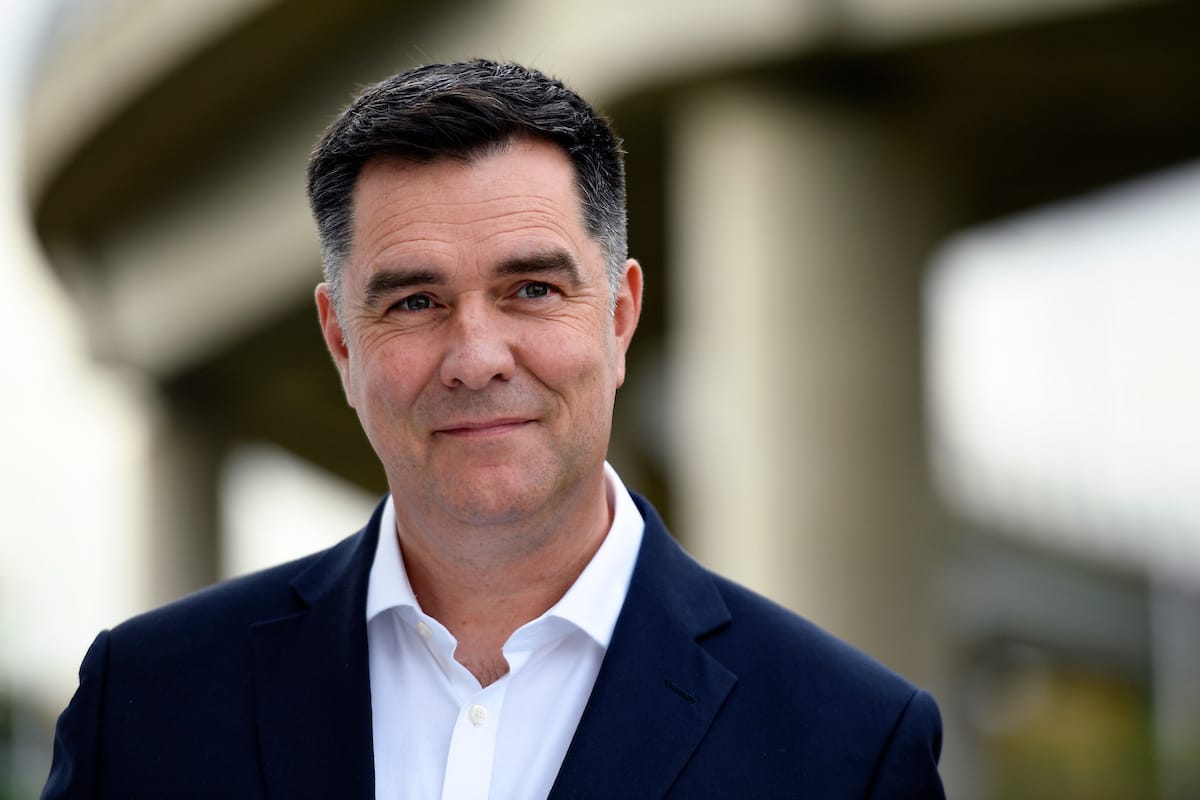
We have all experienced the moment when a client checks their investments or pension after a week of market turmoil. Headlines are warning about geopolitics, markets are down, and social media is full of predictions about what comes next. Ross Liston, CEO of M&G Advice, explores how, in that moment, when a client calls wanting to cash in their investments or make a major asset allocation change, the most valuable thing an adviser can provide may be the confidence to do nothing at all.
That might sound like an unusual way to describe the value of financial advice. But in periods of uncertainty, two questions tend to occupy people’s minds: what are markets doing, and does the latest volatility change my long-term plan?
The second matters most. Advice helps clients assess whether events genuinely change what they are trying to achieve, the level of risk they need to take or the time they have to get there. This allows them to make a considered decision rather than a reactive one.
That is becoming increasingly important when periods of market uncertainty can quickly dominate headlines and influence how investors feel. Volatility does not just move markets; it changes behaviour. A sharp fall can turn an investor’s long-term perspective into an immediate urge to move to cash, reduce risk or wait for conditions to settle.
Yet reacting to short-term falls can mean missing the subsequent recovery. Market shocks can be significant and unsettling, but history has repeatedly shown the importance of keeping short-term events in the context of a long-term financial plan. Selling during a difficult period risks turning a temporary, although very real, drop in value into a permanent loss.
Our Investor Compass report reinforces this point. Advised investors are around three times less likely to feel anxious and consider making changes when markets fall sharply than those without an adviser, at 7% compared with 20%. Only around one in 18 advised investors say they lack confidence in volatile markets, compared with one in four investors without an adviser.
The need for advice is also increasing as clients navigate a more complex financial landscape. Decisions around retirement income, tax planning, intergenerational wealth and later-life needs are often interconnected, while personal circumstances, market conditions and legislation continue to evolve. A decision in one area can have significant implications elsewhere, making it increasingly important to consider the client’s finances as a whole rather than in isolation.
These decisions require judgement and a detailed understanding of individual circumstances. Financial advice therefore remains fundamentally a human service. Through discussion and challenge, advisers help clients test their assumptions, distinguish what has changed from what has not, and decide whether the right response is action, patience or a review of the plan.
That does not make the advice any less technical. A recommendation to stay the course should rest on a rigorous assessment of the client’s objectives, time horizon, capacity for loss, tax position and the assumptions underpinning their plan. Technical expertise establishes whether the case for change is real; human judgement helps the client act accordingly.
Sometimes the analysis will point to action. At other times, it will show that the long-term plan remains the right one. Good advice is not measured by how frequently something changes. It is measured by whether the client makes the right decision for their circumstances.Sometimes the best financial advice is to do nothing.