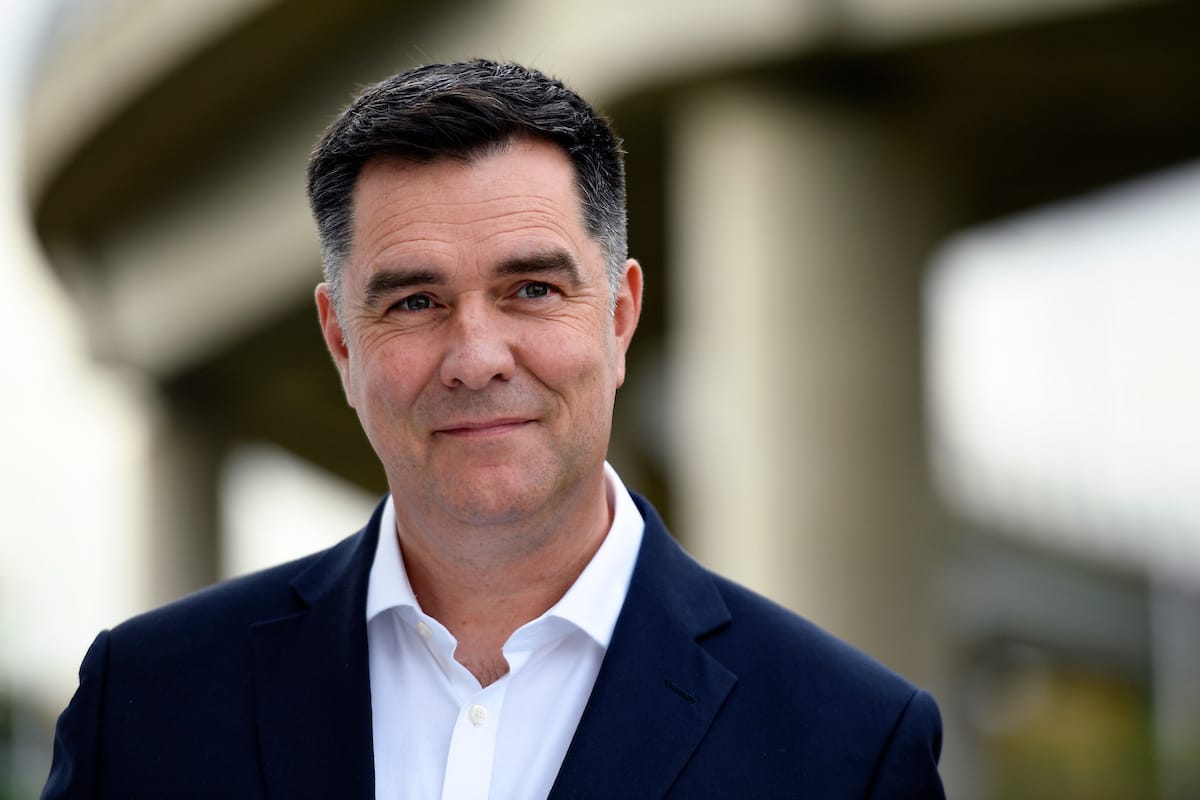
Laura Ashforth is the CEO and co-founder of Lateral, a health insurance start-up reimagining how people over 60 access, navigate and finance their healthcare. A former Managing Director at insurtech unicorn Zego, venture capital investor at Atomico and investment banker at Morgan Stanley, Laura has spent her career building, scaling and backing high-growth businesses across insurance, financial services and technology. Laura founded Lateral alongside Steven Mendel, co-founder and former CEO of ManyPets, to address the growing gap between longer life expectancy and healthy ageing, creating a more affordable and preventative approach to healthcare for later life.
In retirement planning, advisers apply rigour to managing pensions, investments, property and cash. Yet the asset that most directly determines whether those resources are enjoyed, preserved or rapidly depleted is rarely managed with the same intent: health.
As longevity increases and NHS pressures intensify, health is becoming a major driver of financial outcomes in later life. Poor health introduces volatility, forces unplanned spending, and accelerates the drawdown of assets. Good health extends independence, flexibility and choice.
Treating health as an asset class provides a more coherent framework. Like financial assets, health requires investment, structured management and protection against downside risk. Preventive care, timely access to diagnostics and the right level of insurance can materially improve client outcomes, both medically and financially.
Planning for healthspan, not just lifespan
Advisers are already accustomed to planning for longevity. But living for longer and staying healthy for longer are not quite the same thing.
The traditional concept of retirement is changing. Many people entering their 60s today are looking ahead to potentially 20 or 30 years of active retirement. They want to travel, play sports, help with grandchildren, support elderly parents, continue working or pursue new interests. Maintaining the health and mobility to do those things is fundamental to the retirement they have spent decades saving for.
But staying healthy and active can itself require investment. Many clients are already spending money on gym memberships, supplements, personal training, physiotherapy, dental care and private health assessments. And increasingly, in the absence of affordable private medical insurance, people are increasingly choosing to also self-pay privately for consultations, scans or elective procedures when waiting for NHS treatment would materially affect their quality of life.
These costs are rarely captured explicitly in retirement planning, despite potentially becoming a meaningful component of expenditure.
From accumulation to preservation
During working life, the financial focus is largely on accumulation: building pension pots, investments and other assets that will support life after work. In retirement, that focus shifts towards preservation, making those assets last while maintaining the lifestyle they were accumulated to provide.
Health follows a similar arc. By the time someone reaches their 60s, maintaining their strength, mobility and independence becomes increasingly important to preserving the retirement they have planned for. Deteriorating health can affect both sides of the equation – reducing someone’s ability to enjoy their retirement while simultaneously increasing the amount they need to spend on support.
That makes investment in prevention, early diagnosis and timely treatment relevant to financial planning too. Spending money on maintaining health today may help preserve independence and choice tomorrow, while appropriate insurance can protect against some of the higher and less predictable costs.
This is not about medicalising retirement or suggesting every health outcome can be controlled. It is about recognising that preserving health and preserving wealth become increasingly interconnected in later life.
Where does private healthcare fit?
A 2025 YouGov survey found that 15% of over-65s had used private healthcare in the previous year, with 71% funding it from disposable income or savings. The demand from older clients to use the private sector is growing, so we need to consider what the right approach is for clients to finance this.
Some may choose comprehensive PMI. Others will rely predominantly on the NHS but self-pay for certain consultations, diagnostics or procedures. The role of advisers is to make sure that clients are considering their options and making their choices deliberately.
Comprehensive private medical insurance can become increasingly expensive with age. At the other end of the spectrum, relying on the NHS and paying privately whenever necessary can expose clients to large and unpredictable costs. Newer hybrid solutions, like the Lateral Health Plan, are emerging.
What’s important is that clients understand the most common later-life health costs and have given thought to how they want to finance them.
Bringing health into the financial plan
Advisers do not need to become healthcare experts. But there are some relatively straightforward questions that can help clients think about this risk more deliberately.
If waiting for treatment stopped them from travelling, exercising or looking after their grandchildren, would they want the option to access private care? Do they expect to fund that from savings or insure against it? What level of annual spending are they comfortable allocating to maintaining their health? And how much unexpected healthcare expenditure could their retirement plan absorb?
These are ultimately questions about priorities, risk appetite and allocation of capital, all familiar territory for financial advisers.
As retirement horizons lengthen, advisers who help clients think deliberately about health alongside wealth will be better placed to support sustainable, resilient outcomes.
In retirement, a client’s wealth determines what is possible. Their health determines what is realised.